In brief
- A browser game, a backend package and an operating casino platform are different deliverables.
- Confirm which system determines outcomes, updates balances and stores transaction history.
- Treat integration as a testable interface, not a checkbox on a sales page.
A polished demo answers whether you like a game's presentation. It does not answer whether the package includes your account system, wallet or production operations. If you already use an AI coding assistant, the useful next step is to define those boundaries before asking it to connect systems.
Separate three kinds of purchase
| Starting point | Questions to settle |
|---|---|
| Standalone browser game | Can you edit it, export it and host the browser files? What data exists only locally? |
| Game with backend source | What server, storage and interfaces are included? Which deployment steps remain yours? |
| Complete platform | Who supplies accounts, operations, provider agreements, payments, support and the requirements for the intended market? |
These are buying questions, not claims that any one package supplies every component. A backend folder does not by itself establish a production security review or a regulated operating system. Have the relevant specialists assess the requirements for your intended use before a real-money launch.
A concrete package comparison
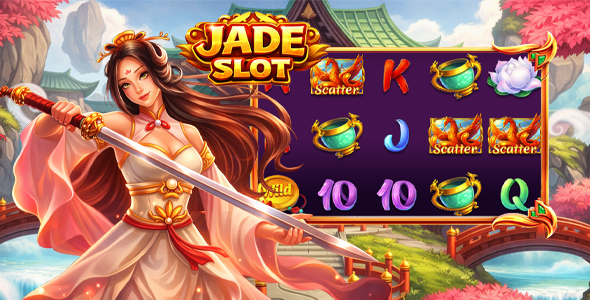
Jade Slot's listing describes an editable Construct game and a standalone HTML5 export. Cocktail Beach's listing additionally describes a supplied Node.js/MongoDB backend with server-side game functions. Those are seller-described package differences, not independently audited performance results.
Do not interpret an unrecorded backend as proof that integration is impossible. It means you need a separate answer about the required development. Conversely, an included backend does not establish compatibility with your existing wallet. Confirm the version and exact interface before committing.
Write a one-page integration contract
For each action, record the caller, input, response, failure behavior and owner of the resulting state. Use the actual documentation rather than an assistant's guessed endpoint names. A planning table can look like this:
| Action | What your contract needs to specify |
|---|---|
| Start a session | How identity is established, when it expires and what the UI shows on failure |
| Read a balance | Which system is authoritative, the currency and its unit scale |
| Start a round | The request identifier, stake amount, accepted result and rejected-result behavior |
| Resume after interruption | How an existing result is retrieved without accidentally starting another round |
| Finish a round | Who owns completion and how repeated completion requests are treated |
This is a design checklist, not a description of a particular game's implemented endpoints. Where an interface cannot answer a question, record that as an integration gap. Ask the supplier or platform owner to resolve it rather than adding guessed behavior in the frontend.
Use AI on the boundary, not on assumptions
Give the assistant the documented interface and a sanitized example response. Ask it to propose an adapter, error handling and tests before connecting real systems. Keep the original game presentation separate from the adapter so that endpoint or authentication changes do not spread throughout the project.
One concrete web-development pitfall is that a resolved fetch() call does not imply a successful HTTP status; application code needs to inspect the response. That distinction should be represented in integration tests. MDN: Using Fetch.
Do not put server secrets in browser code or paste production credentials into an assistant. Use a sandbox with test identities and test balances. The frontend can display a result, but a display update must not be mistaken for confirmation that the authoritative balance changed correctly.
Test failures as deliberately as success
The following are suggested acceptance cases. They are not pass results for any Slotgen package:
- Normal round: compare the displayed result with the server's recorded outcome and balance.
- Rejected request: confirm that the UI explains the failure and does not display a successful transaction.
- Repeated action: check the documented handling of the same request being delivered again.
- Lost response: interrupt the connection after a request and verify the agreed recovery behavior.
- Expired session: ensure an expired identity cannot be treated as an active session.
- Malformed response: verify that the game fails clearly instead of showing a fabricated balance or outcome.
- Reload: refresh during a test round and inspect whether the documented state can be recovered.
Record request identifiers and sanitized responses with each result. Mark a test as not run when the sandbox cannot exercise it. For money-bearing software, independent engineering and security review should complement these basic checks.
Budget the work outside the download
Make a cost sheet with separate lines for the source license, required editor, addons, hosting, database, integration work, art changes and ongoing maintenance. Record who supplied each estimate and its date. Do not convert an advertised source price into a total project budget.
Agree on a handover: source version, configuration template, setup instructions, test results, unresolved issues and an owner for updates. The handover should let someone other than the original implementer understand what is running.
Decide on fit before purchase
Use the Slotgen project planner to compare recorded package details, then send a brief describing your target devices, existing backend and needed changes. Open the full catalog for visual choice, but use the original listing for each package's current contents and terms.
If your target is Stake Engine, follow the separate RGS and wallet guide. A general Node.js backend and a Stake-compatible submission are not interchangeable deliverables.